Super Bowl LIX Ads Revolutionize Programmatic Advertising

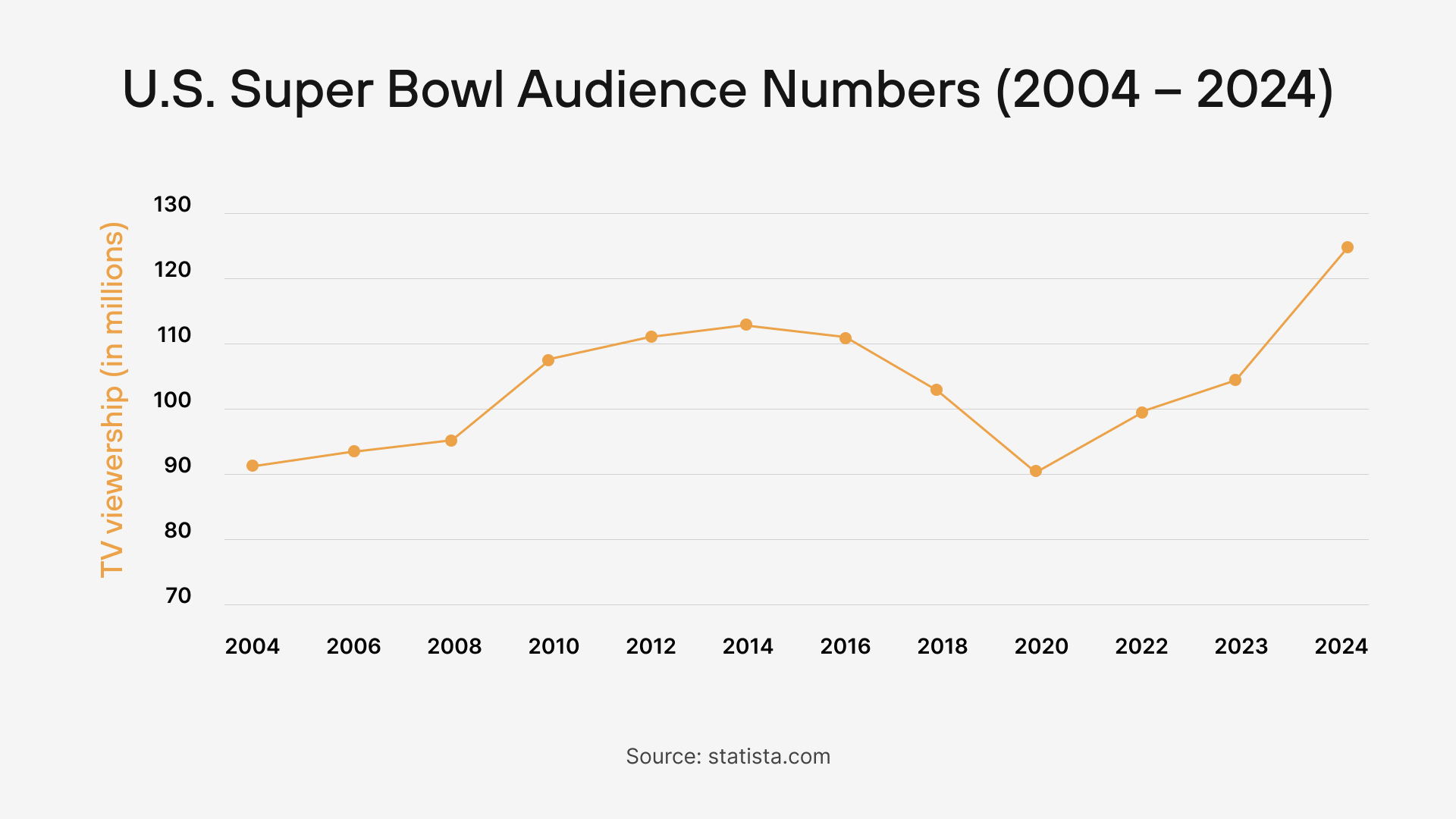
The U.S. Super Bowl isn’t just the pinnacle of sports. It’s the Olympics of advertising. As millions of fans tune in for the action on the field, an equally fierce competition occurs during the commercial breaks. Super Bowl (February 9) ads aren’t just interruptions. They’re an event of their own, with 43% of viewers in a recent survey admitting they watch for the commercials alone, and 50% of respondents have purchased based on these ads. Following the record-breaking 123 million viewers of 2024, this year’s game offers brands unparalleled visibility at a cost that matches its epic scale.
Enter programmatic advertising, a game-changing technology reshaping how marketers seize this golden opportunity. By harnessing programmatic buying methods, brands can pinpoint their audience, optimize campaigns, and maximize ROI like never before. This article will explore how programmatic technology enhances Super Bowl campaigns, share strategies to leverage its power, and offer tips for turning game-day ads into touchdown-worthy results.
Super Bowl Ad Spending by the Numbers
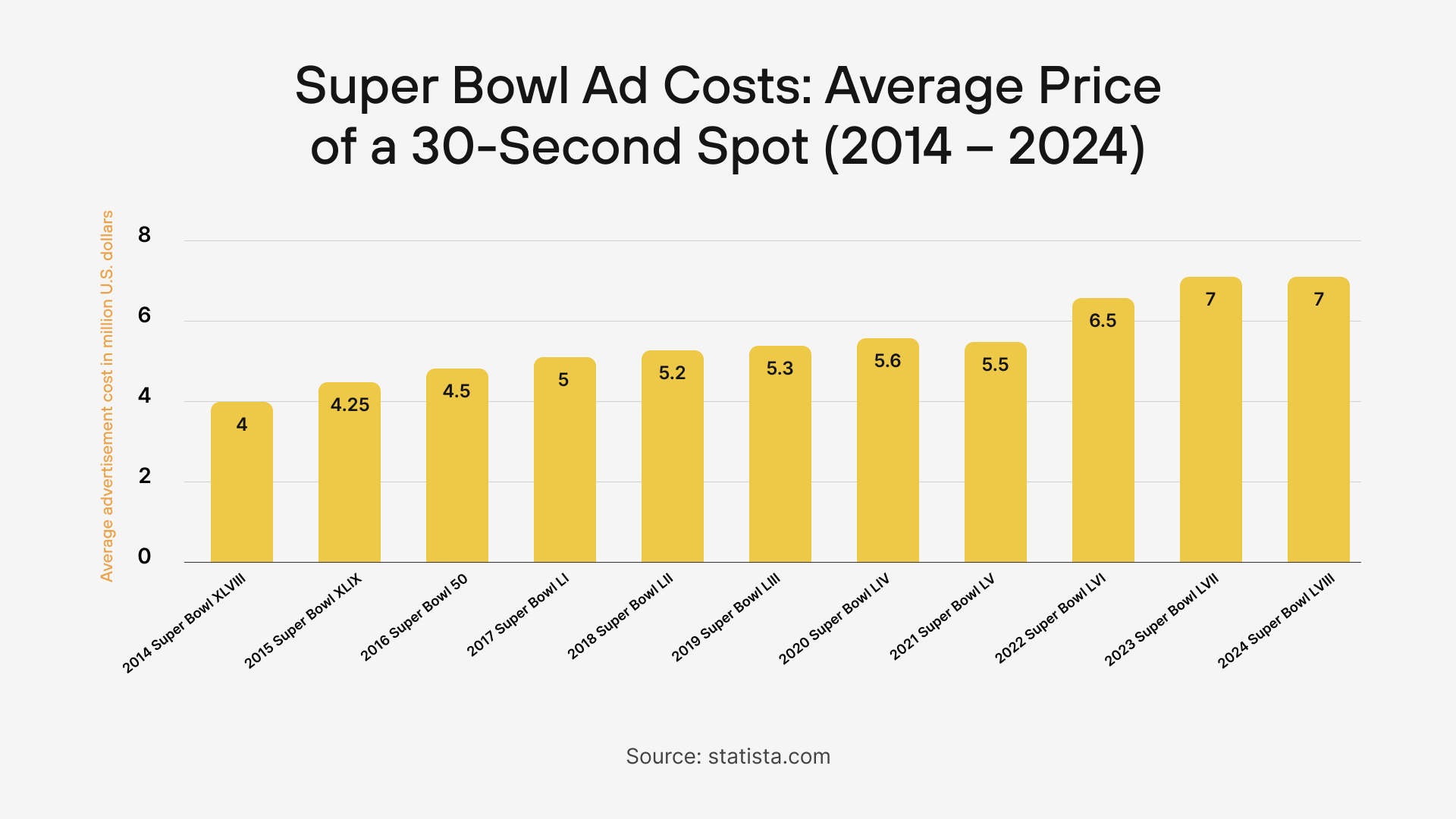
Regarding advertising during the Super Bowl, the stakes are as high as the game. In 2024, brands paid an average of $7 million for just 30 seconds of airtime, a sum reflective of the event’s staggering reach. With over 123 million viewers, Super Bowl LVI became the second most-watched broadcast in U.S. history, eclipsed only by the Apollo 11 moon landing.
The cost of a 30-second advertising slot underscores the Super Bowl’s status as the ultimate marketing arena. Advertising revenue from the 2023 Super Bowl hit $600 million, a record-breaking figure illustrating the event’s growing allure for brands seeking visibility. Giants like Anheuser-Busch, Pepsico, and T-Mobile are no strangers to this high-stakes arena. In 2021 alone, Anheuser-Busch invested $52 million to dominate the airwaves.
Super Bowl ads are more than commercials because they’re cinematic spectacles featuring Hollywood directors and star-studded casts. This blend of entertainment and strategy enriches the viewing experience and cements the Super Bowl as a cultural and commercial giant.
Super Bowl Ad Costs: Average Price of a 30-Second Spot (2002–2024)
Keynes Digital’s Top 5 Super Bowl LVIII Commercials
Super Bowl commercials are cultural moments that blend entertainment with brand strategy. For Super Bowl LVIII, top five picks highlight creativity and impact:
- 1st Place. Uber Eats triumphed with star power Jennifer Aniston, Usher, and a clever message: they deliver almost anything.
- 2nd Place. Dunkin’ Donuts nailed brand recall with Ben Affleck’s journey to stardom alongside Matt Damon and Tom Brady.
- 3rd Place. CeraVe’s partnership with Michael Cera delivered sharp humor with a strong product focus.
- 4th Place. Pluto TV was amused with its quirky ‘couch potato’ concept, blending humor and subtle branding.
- 5th Place. T-Mobile’s hilarious cable-outage skit with Jason Momoa, Zach Braff, and Donald Faison showcased reliable home internet.
How Brands Leverage Programmatic Advertising in Sports
In sports advertising, emotions drive engagement, and brands increasingly turn to DSP demand-side platform strategies like those offered by DecenterAds to connect with fans. While high-budget Super Bowl commercials like Dunkin’ Donuts’ “DunKings” ad starring Ben Affleck dominate headlines, programmatic advertising offers a more accessible path for brands with tighter budgets to make an impact. Timing is critical here. Programmatic campaigns thrive by aligning ads with key moments like goals or touchdowns when emotions peak. DOOH can help advertisers reach consumers outside their homes, tapping into their journey to and from Super Bowl parties and events.
By leveraging digital television growing fast with Super Bowl ads, programmatic platforms like DecenterAds enable brands to target superfans in real time, capitalizing on moments of peak emotion. Sports audiences are highly diverse, engaging across multiple devices, including live games, highlights, or browsing updates, depending on the context. GWI reports that 96% of fans use a second device during live games, showing the shift from traditional TV to multi-platform consumption. This fragmented behavior demands precise data-driven strategies to target fans at the right moment and on the right screen.
By leveraging real-time audience data, programmatic advertising empowers brands to deliver impactful ads that harness sports fandom, creating opportunities to stand out even without a Hollywood star or a $7 million budget.
How to Advertise During the Super Bowl with DSP
The Super Bowl is the ultimate stage for advertisers, offering unmatched visibility and cultural relevance. With ad space for the 2025 programmatic advertising Super Bowl already nearly sold out as early as August, brands must act swiftly to secure their spots. Super Bowl LVIII saw the price for a 30-second ad reach a record $7 million, continuing an upward trend of approximately 5.6% annual growth since 2017. For context, ad costs have more than doubled since 2012, when they stood at $3.5 million. The attached graph highlights this steady climb, demonstrating the growing investment required to participate in this advertising spectacle.
U.S. average cost of a 30-second Super Bowl TV ad (2002-2024)
Do these ads deliver results? Yes, but with caveats. Following a Super Bowl spot, brands often experience a 22% spike in word-of-mouth within a week. However, this buzz is fleeting, with online engagement dropping significantly after just a few days. The long-term return on investment depends on the strength of the ad’s message and follow-up strategies.
To succeed during the Super Bowl, brands must focus on multi-channel strategies. DecenterAds DSP offers tools to maximize engagement: connected TV advertising increases brand recall, while real-time analytics via the Monitoring Tool helps optimize campaigns. Swift creative fulfillment ensures brands are ready to adapt within 24-48 hours, making video marketing seamless and impactful.
Preparation extends beyond the game day ad. Brands must capitalize on the post-game surge. Paid and SEO are critical as online searches spike, while a robust press strategy ensures consistent messaging. Most importantly, a clear action plan is essential to convert the buzz into tangible results: stocking products, managing leads, or driving customer inquiries. The Super Bowl is more than an ad, and it’s a launchpad for strategic success.
How to Prepare for Commercials Before the Super Bowl LIX?
Success during the Super Bowl requires more than a great ad. Brands need a solid plan to engage audiences before, during, and after the event. Here are six strategies to help you stand out.
- Connected TVs: Own the Living Room
By 2023, 82% of households had a CTV, offering precise audience targeting. Advertisers can use location data to reach viewers who match their goals. Campaigns optimized for CTV expand your reach and improve results. Use this platform to deliver ads that resonate with Super Bowl audiences.
- Turn Competitor Buzz to Your Advantage
U.S. Super Bowl ads create a lot of online activity. Use this to your benefit by running post-game campaigns. Paid search ads or banners on related blogs can highlight your advantages. By leveraging your competitor’s visibility, you can attract attention without spending millions on a game-time ad.
- Pre-game Promos for Big Spenders
Super Bowl parties drive massive spending. Food, drinks, and decorations are top purchases, with billions spent yearly. Brands like grocery stores and delivery services can offer deals on snacks or wings. Tech companies can promote TVs or sound systems. Pre-game campaigns capture consumer interest and boost sales.
- Engaging Display Ads
Instead of direct advertising, consider placing an ad campaign in your DecenterAds DSP’s ad cabinet. Dynamic Creative Optimization lets you create ads that change based on the user. Use videos, puzzles, or animations to keep viewers interested. These ads are a great way to reach people browsing online without relying on TV spots alone.
- Be Social During the Game
Many viewers use social media while watching the game. Platforms like Twitter and TikTok let brands join the conversation in real time. A witty post or meme tied to the game can grab attention. Staying active on social media is an affordable way to connect with your audience.
- Reach Out with Digital Outdoor Ads
Digital Out-of-Home (DOOH) advertising combines traditional billboards with smart tech. Programmatic DOOH can display ads based on real-time events, like a touchdown. Ads are shown when they’re most relevant, maximizing impact. It’s a flexible way to connect with fans traveling to or from Super Bowl events.
The Super Bowl is a chance for brands to shine across multiple platforms. These strategies will help you engage audiences, build excitement, and maximize game-day buzz.
Navigating Trademark Rules on Super Bowl LIX
Advertising during the Super Bowl is a high-stakes game, and the NFL plays by strict trademark rules. To avoid legal trouble, brands must be cautious with their language and visuals. Here’s what you need to know:
- Steer Clear of Trademarks
The NFL’s trademarks are off-limits. This includes “Super Bowl” and “Super Sunday,” team names, player names, and all NFL logos. Avoid using these in text or visuals. Even indirect mentions can draw scrutiny, so err on caution.
- Stick to Generic Terms
To stay compliant, use generic phrases like “the Big Game” or “football.” This keeps your messaging safe while still connecting with the Super Bowl audience. General language ensures your ad remains relevant without crossing legal boundaries.
- Get a Legal Review
When in doubt, consult your legal team. A quick review of your copy and designs can prevent costly mistakes. It’s worth taking the additional step to ensure your campaign aligns with NFL trademark rules.
Trends Shaping the Future of Super Bowl LIX Marketing
The future of Super Bowl advertising is evolving quickly. By 2025, new trends and innovations will redefine how brands connect with audiences. Here’s a look at what’s coming:
- Streaming Platforms Dominate
Streaming is taking over traditional TV. Brands will deliver personalized ads based on viewing habits. These ads will target specific audiences, making them more impactful and measurable.
- Multi-Device Campaigns
Viewers watch the game on TVs, phones, and laptops. Brands must ensure their ads look good everywhere. YouTube and other platforms will help extend campaigns across devices for a more significant reach.
- Social Media Integration
Social media will be crucial for engagement. Tools like AR filters, live videos, and interactive posts will help brands connect with audiences. Viral content will make ads last beyond game day.
- Data Drives Precision
Data analytics will fine-tune Super Bowl ads. Brands will use insights on viewing habits and preferences to create resonate ads. Real-time adjustments will boost effectiveness.
- Interactive and Shoppable Ads
Ads will include features like polls, games, and direct purchases. Shoppable videos will stand out, letting viewers buy products instantly while watching.
- Gaming and eSports Marketing
The growing gaming audience will be a focus. Brands will create content aimed at gamers and eSports fans, reaching younger viewers and extending their campaigns to virtual spaces.
- Sustainability Matters
Consumers expect brands to be socially responsible. Ads will showcase efforts in sustainability and ethical practices, building trust and connection with viewers.
The power of programmatic

Metadata is the descriptive information attached to a digital asset, such as a website, mobile app, video, or ad impression. While users never see it directly, it provides critical context about the content, audience, placement, and environment in which an ad may appear. This information helps advertising platforms better understand what a specific impression represents and how valuable it may be to advertisers.

How DSPs Manage and Distribute Campaign Budgets
15 May 2026Budget allocation in a demand-side platform refers to how an advertiser’s budget is distributed throughout the duration of a campaign. Instead of spending too quickly at the start or leaving unused funds at the end, DSPs pace spending to maintain balance over time. This process involves setting daily or hourly limits and continuously adjusting them based on campaign performance and available opportunities.

How Signal Loss Is Reshaping RTB Strategies
10 Apr 2026Signal loss is the gradual reduction of user data that advertising systems rely on. This includes cookies, device identifiers, and other tracking signals used in real-time bidding to understand who the user is and how valuable an impression might be.