Ad Fraud in 2025: New Tricks, Old Threats, and Smarter Defenses

The Evolving Battle Against Ad Fraud: Tactics, Trends, and Tools
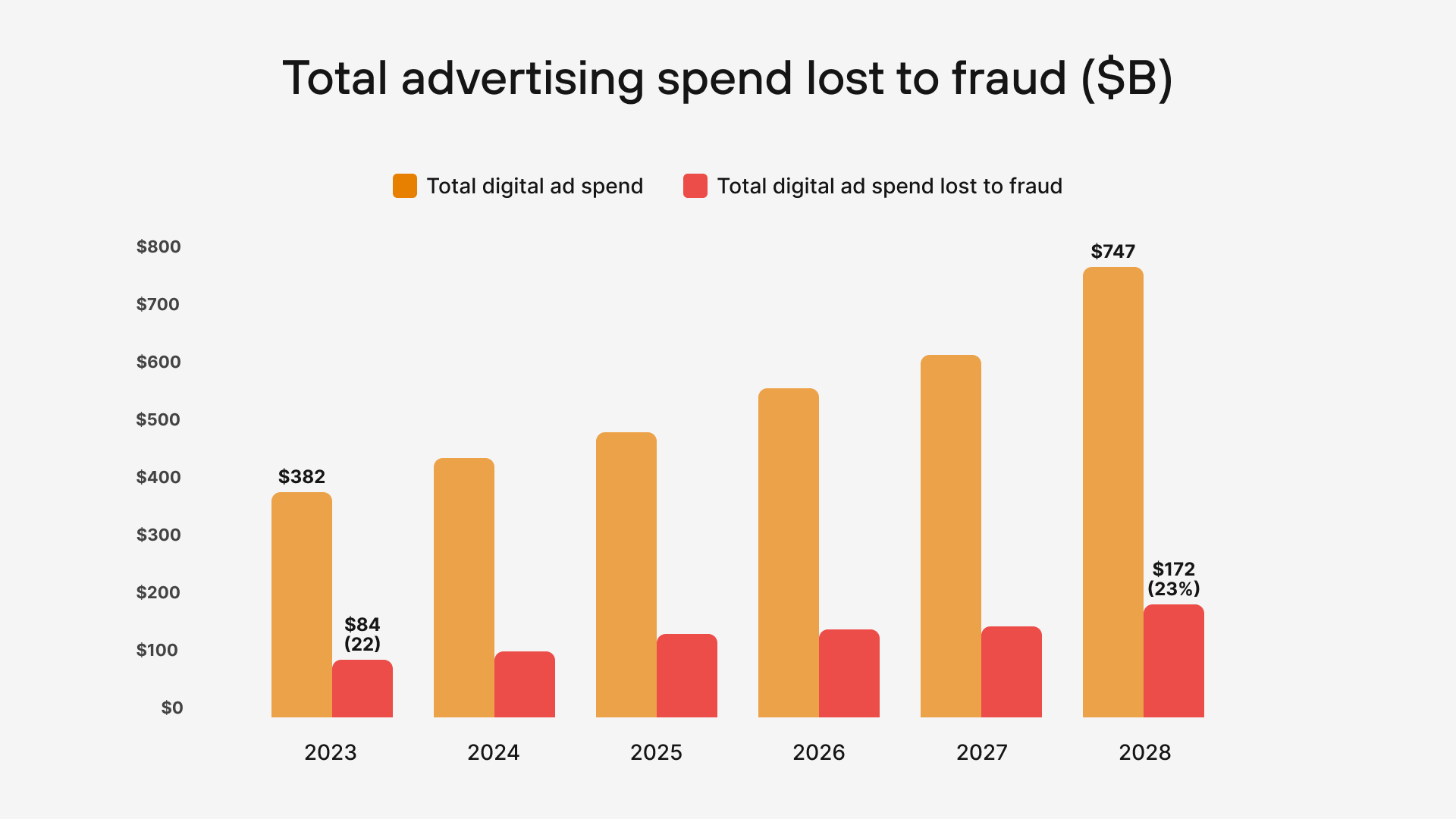
Imagine setting up a store in a shopping mall, only to find out that a chunk of your customers are actually clever impostors. You keep selling, but the profits never quite add up. That was the reality for advertisers in 2023, with $84 billion lost to ad fraud, a figure projected to rise to $172 billion by 2028. Much like a digital arms race, fraudsters are deploying increasingly sophisticated tactics, from AI-powered bots that mimic human behavior to deepfake ads featuring synthetic influencers. In 2025, staying ahead of these evolving threats requires not just awareness but also smarter, more adaptive defenses.
Understanding Ad Fraud: The Basics Still Matter
Ad fraud may sound like a buzzword, but in 2025, knowing the basics is essential for anyone in digital advertising. At its core, ad fraud is any deliberate attempt to manipulate ad delivery or engagement to steal advertising budgets.
In their guide, IAB Europe defines it:
Ad fraud, also known as invalid traffic (IVT), is the fraudulent representation of online advertising impressions, clicks, conversions, or data events to generate revenue. These activities manipulate delivery channels, significantly impacting an advertiser’s return on media investment and often jeopardizing their brand reputation.
These tactics include click fraud, where bots or people repeatedly click on ads with no genuine interest, as well as domain spoofing, SDK spoofing, ad injection, ad stacking, pixel stuffing, geo-masking, and the use of botnets. Each method inflates performance metrics or fakes user activity, leading to wasted spend and distorted data.
Advertisers lose money, while publishers struggle with misleading analytics and damaged reputations. The harm extends beyond budgets and affects trust, performance, and strategic decisions. In a landscape where fraud tactics constantly evolve, understanding the fundamentals is your first line of defense.
The Old Threats That Haven’t Gone Away
While new forms of ad fraud are emerging, many legacy threats remain active and dangerous. Tactics like bot traffic, domain spoofing, and pixel stuffing haven’t disappeared; they’ve simply evolved. Today’s bot traffic can mimic human behavior with surprising accuracy, performing actions such as scrolling, clicking, or even filling out forms. Domain spoofing continues to deceive advertisers by posing as high-quality publishers, especially in programmatic environments. And pixel stuffing (despite being one of the oldest tricks) is now used in mobile and in-app placements, where it’s harder to detect.
These older forms of fraud persist because they are still effective and have evolved with the industry. Fraudsters constantly tweak their methods to match new ad formats, devices, and platforms. Even with advanced detection tools in place, these threats can slip through if defenses aren’t regularly updated. That’s why it’s essential not to underestimate these “familiar” tactics. In 2025, the old tricks still have new moves.
The New Tricks Fraudsters Are Using in 2025
In 2025, ad fraud has entered a new era, driven by rapid technological advancements. Fraudsters now use artificial intelligence to generate fake traffic that closely mimics real user behavior: scrolling, pausing, and even interacting with content in ways that trick traditional detection tools. Deepfake content is also becoming a serious concern, especially in video ads, where synthetic influencers and fabricated testimonials are used to manipulate viewers and ad performance metrics.
Some of the most concerning new techniques include:
- AI-generated traffic that behaves like real users across websites and apps
- Deepfake video ads featuring realistic but fake people and voices
- Advanced mobile SDK spoofing to fake installs, clicks, and in-app activity
- Sophisticated CTV fraud involving spoofed devices, fake apps, and inflated impressions
These tactics are not only more challenging to detect but also evolving quickly. Combating them requires smarter tools, real-time monitoring, and a strong understanding of how these schemes operate.
How Smart DSPs and AI Are Fighting Back
The fight against ad fraud in 2025 is brighter than ever, thanks to advanced tools and AI-powered systems built into modern demand-side platforms (DSPs). Machine learning models can now detect suspicious behavior in real time, spotting patterns that are too subtle for human analysts. Pre-bid filters help block fraudulent traffic before an ad is ever served, while continuous invalid traffic monitoring ensures ongoing protection. Many platforms also integrate directly with fraud-blocking services to catch threats from multiple angles.
DecenterAds has long prioritized fraud prevention, using its in-house technology to stay ahead of evolving threats. From AI-driven detection to custom-built safeguards, the platform offers advertisers a reliable defense against both old scams and emerging tactics, keeping campaigns clean, transparent, and effective.
Best Practices for Advertisers and Brands
No matter how advanced fraud prevention tools become, advertisers and brands still need to follow essential best practices to protect their budgets.
- The first step is partnering with trusted DSPs and SSPs that are transparent about their inventory and actively invest in fraud prevention.
- Constantly monitor campaign performance closely: sudden spikes in impressions, clicks, or engagement from unusual sources can be early red flags. It probably is if a traffic source seems too good or cheap to be true.
- Another must-follow tip is to implement and regularly update ads.txt and app-ads.txt files. These tools help ensure that only authorized sellers can represent your inventory, reducing the risk of domain spoofing and unauthorized reselling.
- Routine audits of your traffic sources are also crucial.
By reviewing where your ads appear and how users interact with them, you can catch anomalies before they cause serious harm. In 2025, being proactive isn’t just smart; it’s necessary for survival in a landscape where fraud continues to evolve.
Conclusion
Ad fraud continues to be a significant threat in digital advertising, and 2025 shows it’s only getting more complex. While fraudsters now use AI-powered tricks, old methods like click fraud and domain spoofing haven’t disappeared; they’ve just evolved. That’s why staying informed is critical. Understanding both classic and new fraud tactics is key to building strong defenses. Brands and advertisers must stay alert, know the warning signs, and use modern tools to protect their campaigns.
AI-driven DSPs, fraud detection platforms, and proper use of ads.txt can all help. But even with smart tech, human oversight is still essential. Regular monitoring and auditing can catch red flags before damage is done. Fraud isn’t going away, but with the proper knowledge and tools, you don’t have to fall for it. Staying proactive is the best defense.
The power of programmatic

Metadata is the descriptive information attached to a digital asset, such as a website, mobile app, video, or ad impression. While users never see it directly, it provides critical context about the content, audience, placement, and environment in which an ad may appear. This information helps advertising platforms better understand what a specific impression represents and how valuable it may be to advertisers.

How DSPs Manage and Distribute Campaign Budgets
15 May 2026Budget allocation in a demand-side platform refers to how an advertiser’s budget is distributed throughout the duration of a campaign. Instead of spending too quickly at the start or leaving unused funds at the end, DSPs pace spending to maintain balance over time. This process involves setting daily or hourly limits and continuously adjusting them based on campaign performance and available opportunities.

How Signal Loss Is Reshaping RTB Strategies
10 Apr 2026Signal loss is the gradual reduction of user data that advertising systems rely on. This includes cookies, device identifiers, and other tracking signals used in real-time bidding to understand who the user is and how valuable an impression might be.